Small Patio Design Ideas
A practical step-by-step guide to small patio design ideas, including preparation, instructions, common issues, tips, and next steps.
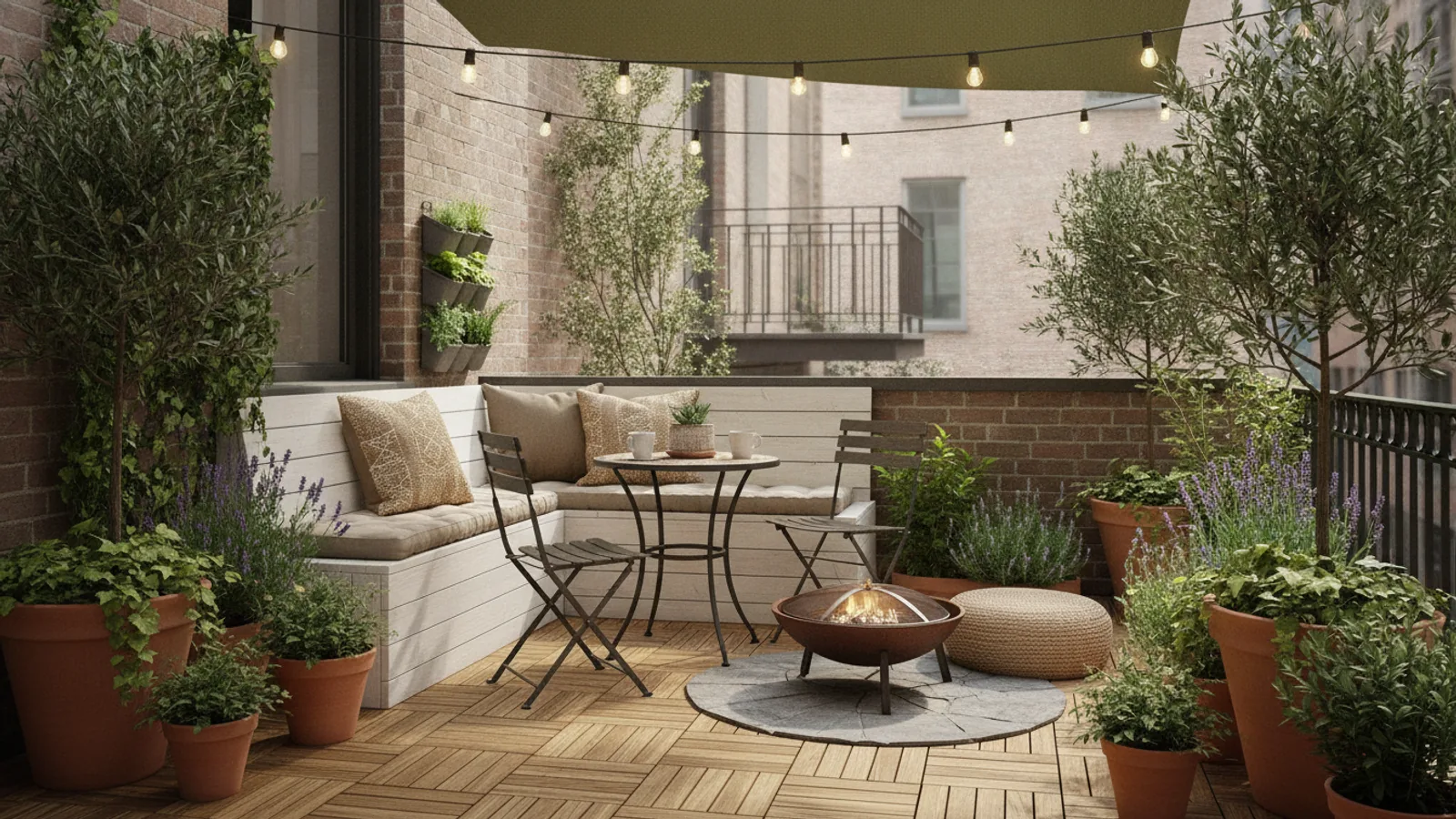
Small Patio Design Ideas
This guide explains how to approach small patio design ideas, including the preparation, practical steps, common mistakes, and final checks that help you finish with confidence.
Before You Start
Before you dive into transforming your small patio, a little preparation goes a long way. Thinking ahead helps you avoid common mistakes and ensures your design works well with your space and lifestyle.
What You Need
Safety, Timing, or Context Checks
Step-by-Step Instructions
Quick Reference
Common Problems When You Design a Small Patio
Designing a small patio can sometimes present unexpected hurdles. Knowing what issues might arise can help you tackle them head-on and keep your project on track.
Over-cluttering the Space
Problem: It's easy to get excited and fill a small patio with too many plants, decorations, or pieces of furniture. This quickly makes the area feel cramped and untidy, defeating the purpose of creating a relaxing space.
Solution: Be selective. Every item you choose should have a purpose or significant visual appeal. Prioritise multi-functional furniture, like benches with storage. For plants, focus on vertical solutions or a few key statement pots rather than many small ones. Regularly declutter and store items not in use.
Poor Drainage
Problem: If water doesn't drain properly from your patio, it can pool, leading to slippery surfaces, moss growth, and potential damage to your home's foundation or patio materials.
Solution: Ensure your patio has a slight slope (around 1-in-60 gradient) away from your house. If you're laying new paving, build this slope into the sub-base. For existing patios, consider adding a discreet channel drain along the edge or installing permeable paving options like gravel, which allows water to soak through.
Lack of Privacy
Problem: Small patios, especially in urban areas, can often feel exposed to neighbours or passers-by, making it difficult to relax comfortably.
Solution: Introduce vertical screening. This could be a trellis with fast-growing climbing plants, tall, narrow planters with bamboo or slender conifers, or a slatted wooden privacy screen. Make sure your chosen solution doesn't block too much light or airflow, which could make the patio feel even smaller.
Wrong Plant Choices
Problem: Picking plants that grow too large, require too much sun/shade, or need constant watering can quickly lead to an unruly or unhealthy-looking patio.
Solution: Research plants suitable for your patio's specific conditions (sunlight, shade, wind) and its size. Choose compact varieties, upright growers, or climbers. Succulents and ornamental grasses are often low-maintenance. Ask your local garden centre for advice on plants that thrive in pots and don't get too big.
Making the Space Feel Dark and Dingy
Problem: Dark colours, dense planting, or insufficient lighting can make a small patio feel gloomy and uninviting, especially in the evenings.
Solution: Opt for lighter coloured flooring and paint on any boundary walls or fences. Incorporate outdoor mirrors to reflect light. Use a variety of lighting, including string lights, solar lanterns, and a few focused spotlights to brighten corners. Choose plants with lighter green or variegated foliage to add brightness.
Advanced Tips for Small Patio Design Ideas
Once you've mastered the basics, these advanced tips can take your small patio design to the next level, making it even more clever and personalised.
Integrate Built-in Seating with Storage
Instead of freestanding furniture, consider built-in benches. These can be custom-made to fit perfectly into awkward corners or along a wall, maximising seating without wasting an inch. Design them with hinged tops or pull-out drawers to provide discreet storage for cushions, blankets, or gardening tools. This creates a streamlined look and keeps the patio tidy.
Create a Cohesive Colour Palette
Choose a limited colour palette of two to three main colours for your patio. This applies to your furniture, cushions, pots, and even the flowers you choose. Sticking to a consistent colour scheme creates a sense of unity and calm, making the small space feel more harmonious and less cluttered. Light, neutral colours often work best as a base, with pops of brighter colour for accent.
Install Outdoor Mirrors Strategically
While we mentioned mirrors before, an advanced tip is to use them with intention. Consider mounting a large, framed outdoor mirror on a wall directly opposite a beautiful view (like a favourite plant or a garden feature). This not only reflects light but also effectively 'doubles' your garden, creating an impressive illusion of depth and space. Ensure the mirror is securely fixed and weather-resistant.
Utilise Smart Lighting Zones
Beyond general ambient lighting, think about creating different lighting zones. Use brighter, task-oriented lights over a dining area, softer, warmer lights in a relaxation corner, and subtle uplights to highlight architectural features or vertical plants. Dimmers or smart lighting systems can allow you to adjust the mood instantly, making the patio versatile for any occasion.
Incorporate a Focal Point
Even small spaces benefit from a focal point to draw the eye. This could be a striking piece of garden art, a beautifully planted container, a small water feature, or a uniquely designed wall panel. A well-chosen focal point creates interest and helps define the style of your patio, making it feel more deliberate and designed.
Consider a Retractable Awning or Pergola
If your patio is often too sunny or experiences light rain, a retractable awning or a small, permanent pergola can significantly improve its usability. An awning offers flexible shade and shelter, while a pergola can be used to support climbing plants, adding greenery and a sense of enclosure without making the space feel entirely closed off. Choose designs that complement your home's architecture.
Small Patio Design Ideas FAQ
How can I make a small patio look bigger?
To make a small patio appear larger, use lighter-coloured flooring and furniture, which reflect light. Incorporate large outdoor mirrors to create an illusion of depth and reflect the garden. Focus on vertical planting to draw the eye upwards and free up floor space. Choose compact, multi-functional furniture, and avoid overcrowding the area. Also, consider diagonal laying patterns for paving or decking.
What type of furniture is best for small patios?
The best furniture for small patios is compact, multi-functional, and lightweight. Look for bistro sets that can be folded away, storage benches that offer both seating and tidying space, or modular seating that can be reconfigured. Furniture with open designs (slatted backs, slender legs) also helps the space feel less heavy and enclosed.
How do I add privacy to a small, overlooked patio?
For privacy, utilise vertical solutions. Tall, narrow planters with screening plants like bamboo (in a pot with a root barrier), bay laurel, or slender conifers are effective. Trellises with fast-growing climbing plants like jasmine or clematis can create a green wall. Slatted privacy screens or even strategically placed outdoor fabric panels can also provide a sense of seclusion without blocking all the light.
What are the best plants for a small patio?
Good plants for small patios are those that grow upwards, stay compact, or can be trained. Consider climbing plants (clematis, jasmine, miniature roses) for walls and trellises. Upright conifers, columnar fruit trees, or compact shrubs in pots work well. Herbs are excellent for vertical planters, and succulents offer low-maintenance greenery. Choose plants suited to your patio's light conditions.
How should I light a small patio effectively?
Effective lighting for a small patio involves a mix of ambient, task, and accent lighting. String lights or fairy lights provide a general warm glow. Solar-powered lanterns or path lights can illuminate pathways. Small spotlights can highlight specific plants or architectural features. Consider wall-mounted lights that don't take up floor space, and use warm white bulbs for a cosy atmosphere.
Can I have a water feature on a small patio?
Yes, absolutely! Small, self-contained water features are perfect for compact patios. Look for tabletop fountains, small tiered designs, or wall-mounted options that have a minimal footprint. The gentle sound of trickling water can add a very calming and luxurious feel to your small outdoor space.
Final Checklist for Small Patio Design Ideas
Use this checklist to ensure you've covered all the key aspects of designing and setting up your small patio.
- Measurements and Plan: Have you accurately measured your patio and created a functional layout sketch?
- Clean and Prepared Base: Is the area thoroughly cleaned, weeded, and any necessary ground levelling or drainage addressed?
- Flooring Choice: Have you selected light-coloured or visually expanding flooring materials?
- Vertical Planting: Are you making the most of vertical space with wall planters, hanging baskets, or trellises?
- Smart Furniture: Have you chosen compact, multi-functional, or foldable furniture pieces?
- Layered Lighting: Is there a mix of ambient, task, and accent lighting to extend patio use into the evening?
- Personal Accessories: Have you added cushions, outdoor rugs, or a mirror to add style and comfort?
- Defined Zones: Are different activity areas (e.g., dining, relaxing) clearly, yet subtly, marked?
- Privacy Solutions: If needed, have you incorporated elements like tall planters or screens for privacy?
- Focal Point: Is there a key feature or plant that acts as an interesting focal point?
- Budget Check: Have you stayed within your planned budget for materials and items?
- Maintenance Plan: Do you have a plan for regular cleaning and plant care to keep your patio looking its best?