Small House Planning Guide
A practical step-by-step guide to small house planning guide, including preparation, instructions, common issues, tips, and next steps.
Small House Planning Guide
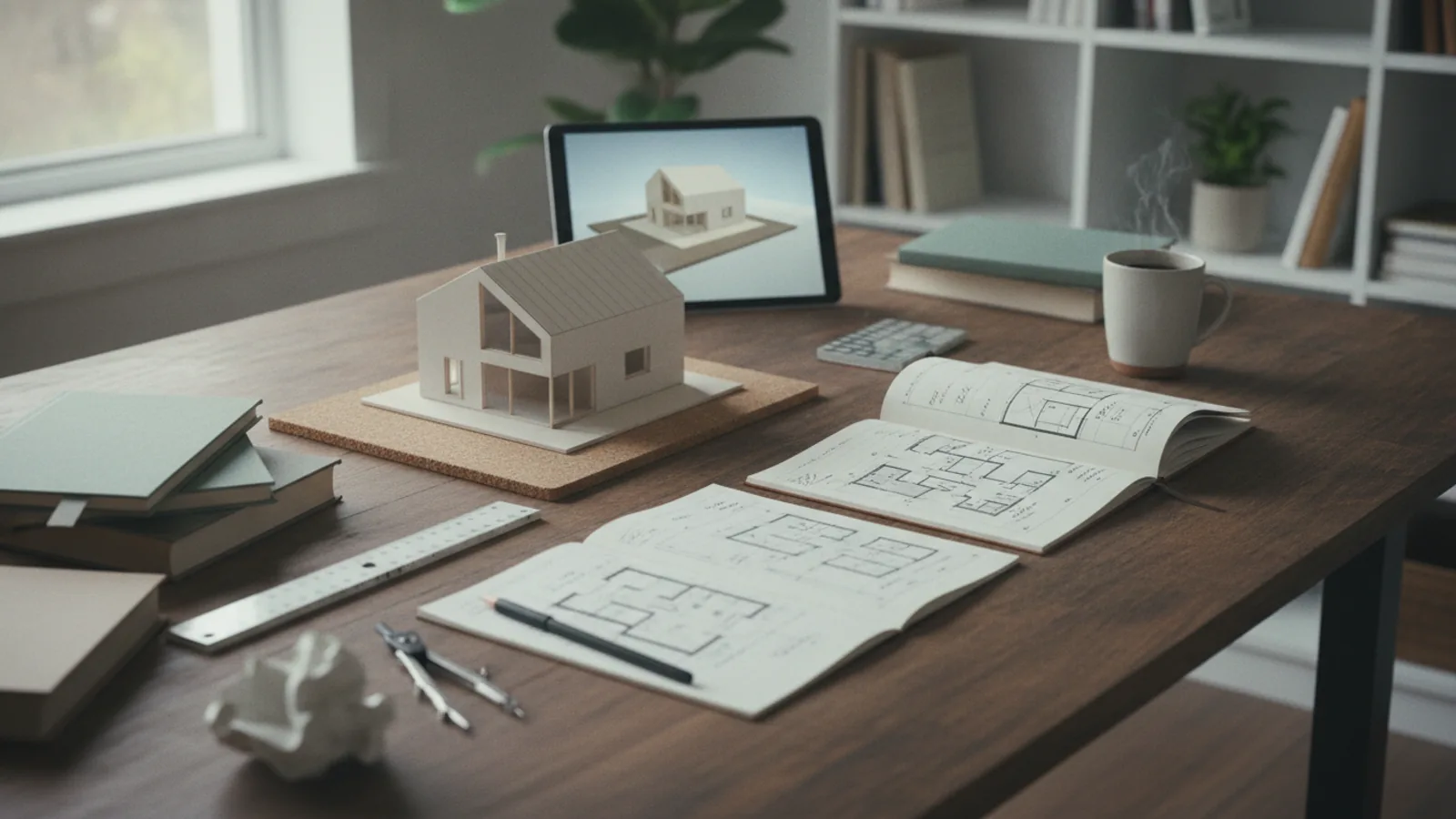
This guide explains how to approach small house planning guide, including the preparation, practical steps, common mistakes, and final checks that help you finish with confidence.
Before You Start
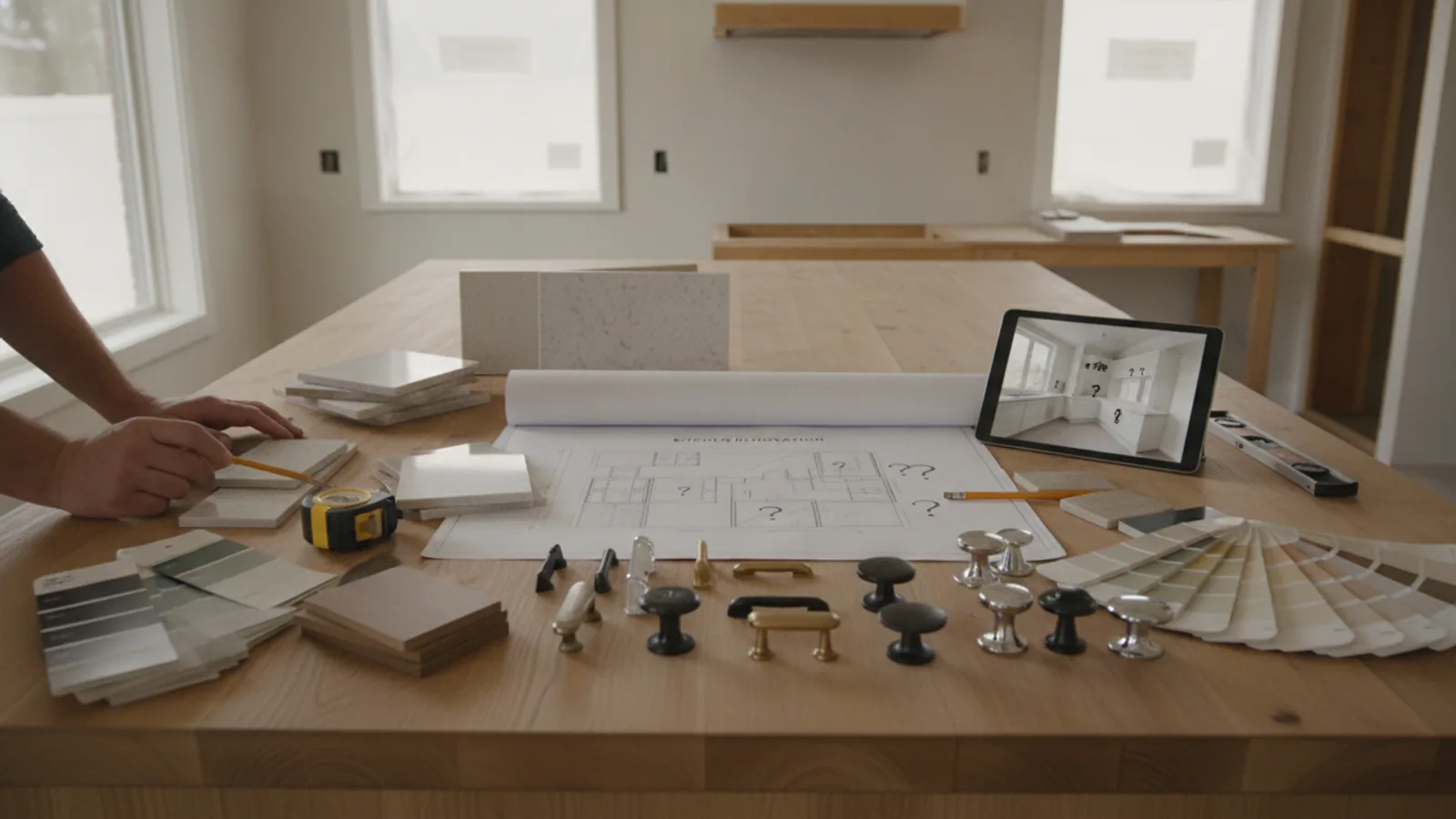
Before you dive into drawing plans and picking colours, gather the right tools and information. A solid preparation phase will save you time, money, and headaches further down the line.
Step-by-Step Instructions
Quick Reference
Common Problems When You Plan a Small House
Planning a small house comes with unique challenges. Being aware of these common pitfalls can help you avoid them and ensure a smoother journey.
Advanced Tips for Small House Planning Guide
Once you've mastered the basics, these advanced tips can help you elevate your small house design, making it even more efficient, sustainable, and enjoyable.
Small House Planning Guide FAQ
Here are answers to some of the most frequently asked questions about planning a small house, especially for those in Great Britain.
How small is a "small house" typically?
There's no strict definition, but "small house" often refers to homes generally under 100 square metres (approx. 1,076 square feet). Tiny houses are even smaller, usually under 40 square metres (approx. 430 square feet), sometimes on wheels. The key characteristic is efficient use of limited space.
Do I need planning permission for a small house in GB?
Yes, almost certainly. Building a new dwelling of any size in Great Britain requires planning permission from your local council. Even if you're adding a small annex or a significant outbuilding, you'll likely need permission. It's crucial to check with your local planning authority early in the process.
Can I build a small house myself?
It is possible to self-build a small house, especially if you have construction experience and a good understanding of building regulations. However, it's a significant undertaking. Even self-builders often hire professionals for specific tasks like foundations, electrical, or plumbing work, and always for obtaining planning permission and building control approval. For safety and compliance, consider carefully your skills and time commitment.
What about utilities for a small house?
Connecting to utilities (water, electricity, sewage, gas if desired) can be one of the most significant costs and complexities. You'll need to contact local utility providers (e.g., Dŵr Cymru Welsh Water, Scottish Water, National Grid, local electricity networks) to understand connection requirements and costs. If mains connections aren't available, you might need to consider alternatives like boreholes for water, septic tanks or package treatment plants for sewage, and solar/wind power for electricity.
How long does the planning phase typically take?
The planning phase, from initial idea to approved plans and secured land, can take anywhere from 4 months to over a year. This timeline depends on how quickly you make decisions, the complexity of your design, the speed of local council planning departments (which can vary), and any unexpected issues with land acquisition or surveys. Be patient and allow ample time.
Is a small house cheaper to build than a standard house?
While small houses require less material, they aren't necessarily proportionally cheaper. The cost per square metre can sometimes be higher for very small homes due to fixed costs (like kitchen/bathroom installations, utility connections, foundations, and professional fees) being spread across a smaller area. However, the overall total cost is generally lower than a larger house, and running costs (heating, maintenance) are significantly reduced.
Final Checklist for Small House Planning Guide
Use this checklist to ensure you've covered all the essential steps in planning your small house before moving on to construction.
Defined Your Needs and Wants: Have you clearly listed what you need and desire in your small home?
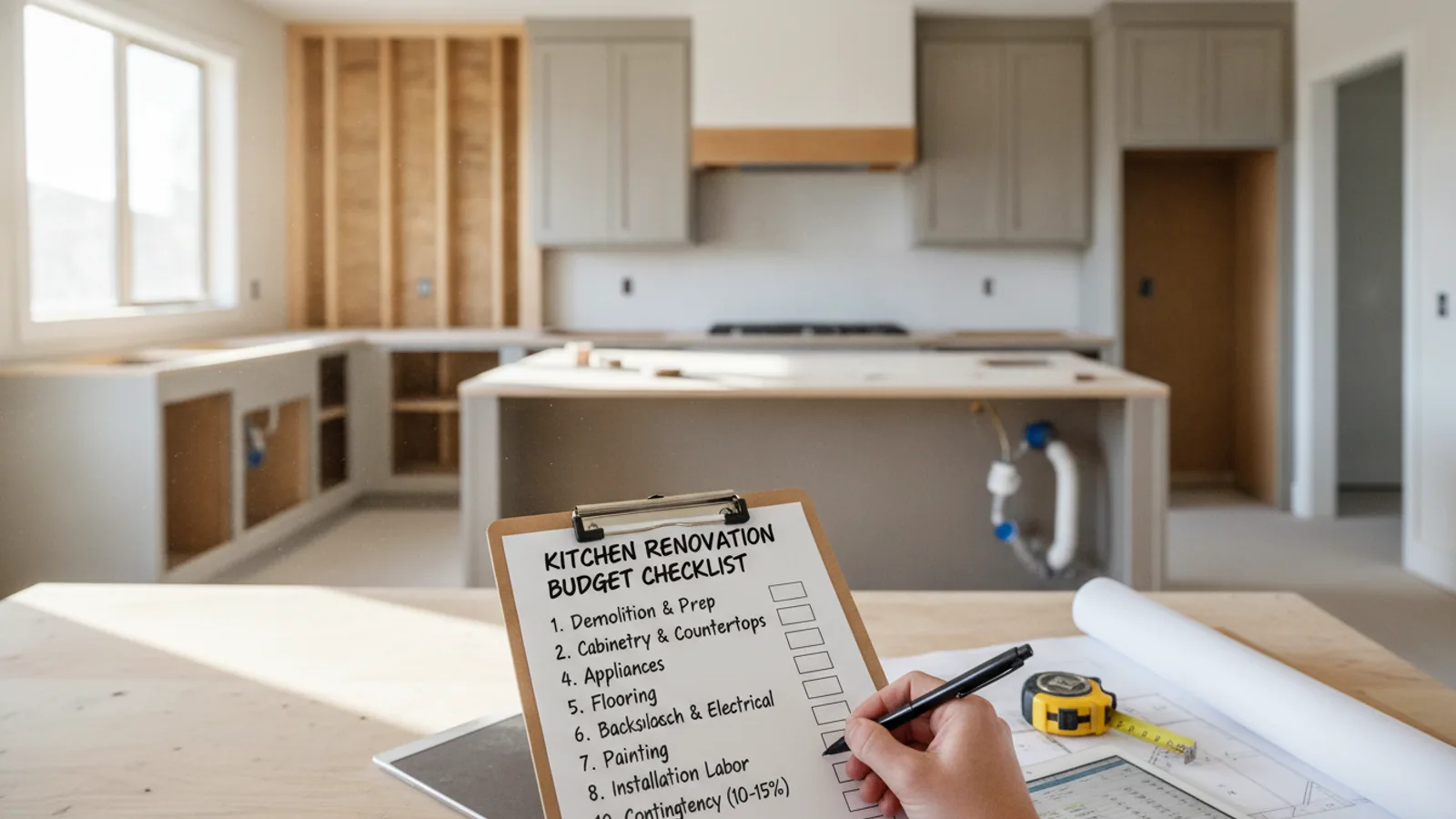
Set a Realistic Budget: Is your budget detailed, including land, fees, build costs, and a contingency fund (10-15%)?
Researched Location and Land: Have you checked the suitability of your chosen plot, including access to utilities and ground conditions?
Understood Local Planning Rules (GB): Have you contacted your local planning authority for advice and started the planning permission process if needed?
Explored Small House Designs: Have you looked at various small house types and identified what works best for you?
Developed Your Floor Plan: Do you have a working floor plan that considers flow, light, and furniture placement?
Considered Materials and Sustainability: Have you thought about energy efficiency, insulation, and sustainable material choices?
Engaged Professionals (If Needed): Have you sought advice or hired an architect, engineer, or builder for your project?
Secured Building Regulations Approval: Are your plans compliant with GB building regulations, and have you applied for approval?
Finalised All Plans and Specifications: Are your designs complete, detailed, and ready for construction?
Planned for Future Flexibility: Have you considered how your needs might change and designed with adaptability in mind?
By diligently working through these planning stages, you'll create a solid foundation for building a small house that truly meets your needs and stands the test of time.