Small House Lighting Guide
A practical step-by-step guide to small house lighting guide, including preparation, instructions, common issues, tips, and next steps.
Small House Lighting Guide
This guide explains how to approach small house lighting guide, including the preparation, practical steps, common mistakes, and final checks that help you finish with confidence.
Before You Start
Step-by-Step Instructions
Quick Reference
Common Problems When You Plan Small House Lighting
Even with the best intentions, you might run into a few common lighting issues in a small house. Knowing what to look for can help you fix them quickly.
Too Much Light or Glare
One common mistake is overlighting a small space, which can lead to harsh glare and an uncomfortable feeling. If your room feels too bright or clinical, it might be due to too many high-lumen bulbs or too few dimmers.
- Fix: Replace some high-lumen bulbs with lower ones, or ensure you have dimmer switches installed. Dimmers give you full control to adjust brightness to suit the time of day and your activity.
Not Enough Light or Dark Spots
On the flip side, some small rooms can end up with uneven lighting, leaving dark corners that make the space feel smaller and less functional. This often happens when only a single overhead fixture is used, or if task and accent lighting are overlooked.
- Fix: Add targeted task lighting (like a desk lamp or under-cabinet lights) where activities occur. Introduce accent lights to brighten dark corners or highlight features, ensuring a more even spread of illumination.
Wrong Colour Temperature
Mixing very warm (yellowish) and very cool (bluish) light bulbs in the same room, or using the wrong colour temperature for a room's purpose, can create a disjointed and unpleasant atmosphere.
- Fix: Choose consistent colour temperatures within a single room. Use warmer light (2700K-3000K) for relaxing areas like bedrooms and living rooms, and cooler light (3500K-4500K) for functional areas like kitchens and home offices.
Bulky Fixtures Overwhelming the Space
Large, ornate, or low-hanging light fixtures can visually shrink a small room, making ceilings feel lower and the space feel cluttered. While stylish in larger homes, they can be counterproductive in compact settings.
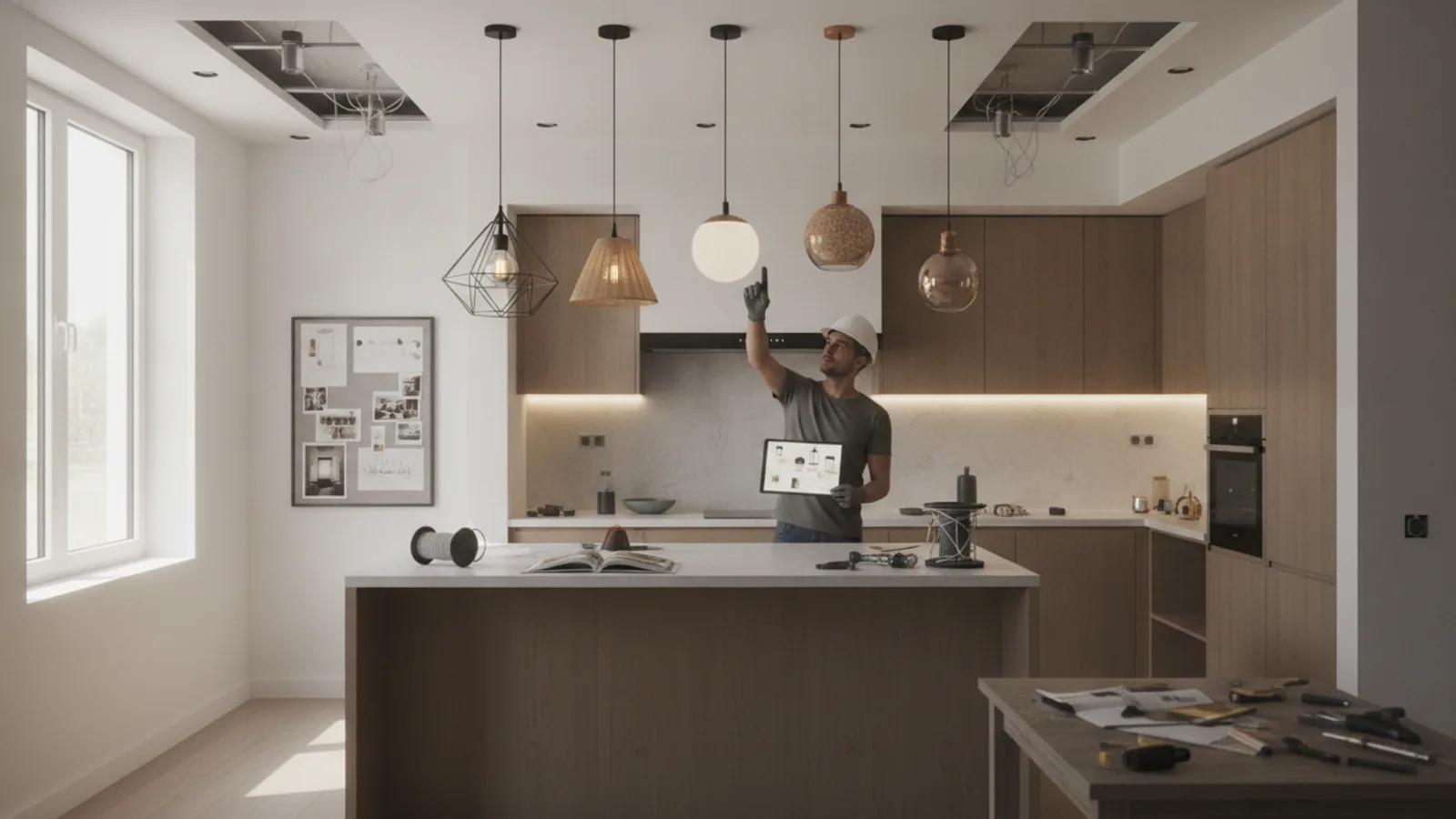
- Fix: Opt for sleek, flush-mounted, recessed, or wall-mounted fixtures. If you love a pendant, choose a minimalist design that doesn't hang too low or dominate the view.
Ignoring Natural Light Potential
Sometimes, homeowners focus so much on artificial lighting that they forget the immense power of natural light. Heavy curtains, blocked windows, or dark wall colours can negate the benefits of natural illumination.
- Fix: Keep windows clear and use light, sheer window coverings. Consider lighter paint colours on walls and ceilings. Strategically place mirrors opposite windows to bounce natural light around the room.
Advanced Tips for Small House Lighting Guide
Once you've got the basics down, these advanced tips can take your small house lighting to the next level, adding sophistication and even greater efficiency.
Embrace Smart Lighting Systems
Beyond basic dimmers, investing in a comprehensive smart lighting system can transform how you experience your home. Systems like Philips Hue or similar brands allow you to control individual bulbs or groups from your phone, set schedules, create custom light scenes (e.g., "morning energise" or "evening relaxation"), and even change bulb colours. This level of customisation is perfect for small multi-functional rooms that need to adapt throughout the day.
Integrate Lighting into Furniture and Architecture
Think about lighting not just as standalone fixtures but as part of your home's design. This means integrating lights directly into furniture or architectural elements. For example:
- Under-shelf strip lighting: Illuminates displays and provides ambient light.
- Integrated headboard lighting: Offers task lighting for reading in bed without needing bulky bedside lamps.
- Cove lighting: Hidden LED strips along the top of walls or ceilings cast a soft, indirect glow upwards, making ceilings appear taller and creating a luxurious feel without visible fixtures.
- Skirting board lights: Small, low-level lights integrated into skirting boards provide subtle path lighting in hallways or at night.
Focus on Vertical Illumination
While often overlooked, lighting vertical surfaces (walls, bookshelves, curtains) is crucial in small spaces. Instead of just lighting the floor or task areas, use wall washers or uplighters to illuminate walls from floor to ceiling. This draws the eye upwards and outwards, preventing a cramped feeling and making rooms feel larger and more open. It also highlights textures and colours on your walls.
Consider the "Hygge" Factor with Lighting
The Danish concept of "Hygge" (pronounced hoo-ga) is all about creating a feeling of cosiness, comfort, and contentment. Lighting plays a huge role in this. In a small house, you can achieve this by:
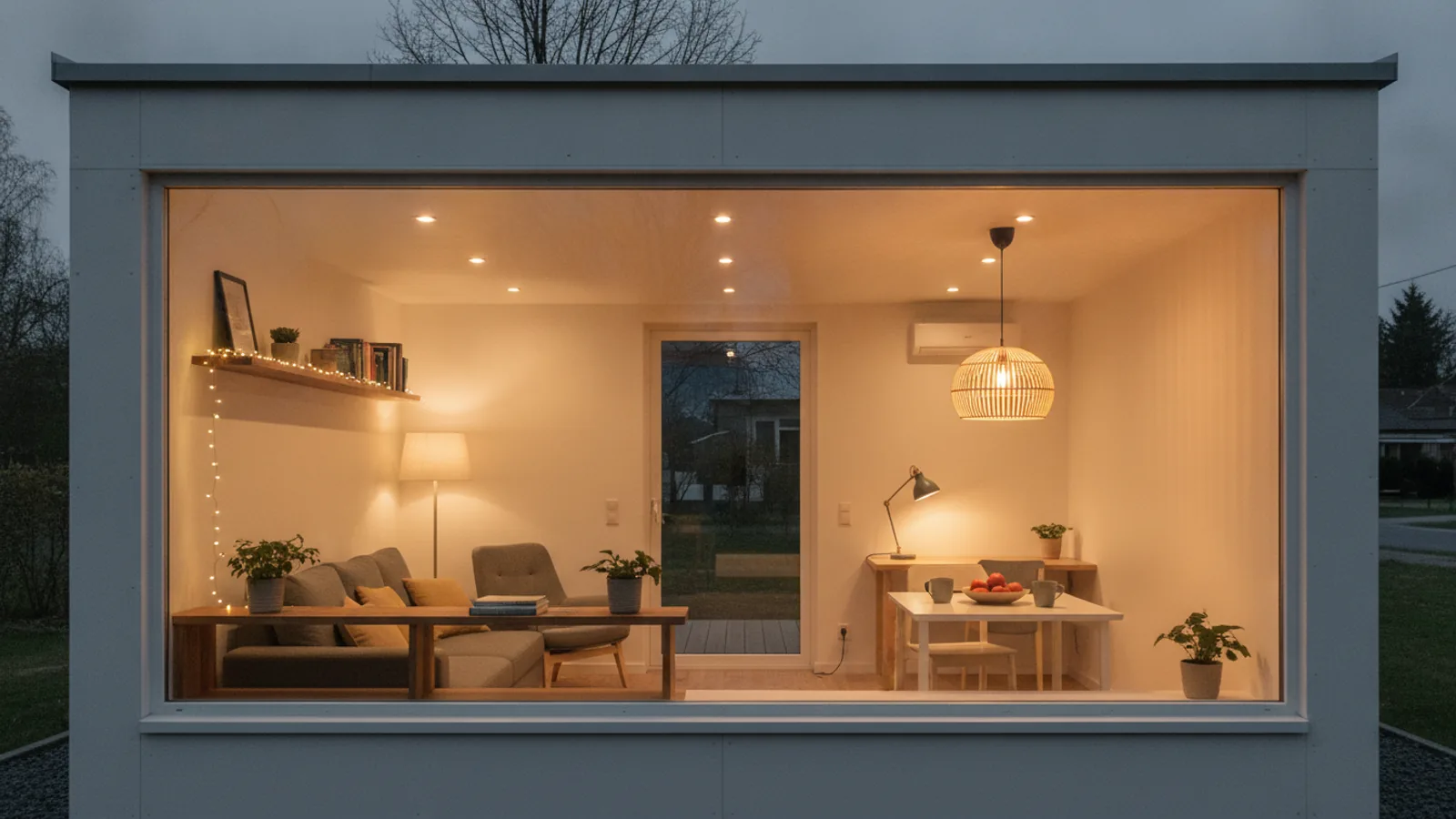
- Using multiple small light sources (e.g., table lamps, fairy lights, candles – safely!) rather than one harsh overhead light.
- Opting for very warm colour temperatures (below 2700K for certain accent lights).
- Employing dimmers to create soft, intimate glows.
- Placing lights at different levels to create pockets of warmth and interest.
Utilise Portable and Battery-Operated Lights
For ultimate flexibility in a small space, don't underestimate the power of portable lighting. Battery-operated LED lamps, rechargeable task lights, and even stylish lanterns can be moved wherever light is needed, freeing up precious plug sockets and offering immediate solutions for temporary needs or mood lighting. These are also great for adding light to areas without electrical access.
Small House Lighting Guide FAQ
How many lumens do I need for a small living room?
For a small living room, you'll generally want a combined total of 1500 to 3000 lumens. This should be achieved through layered lighting (ambient, task, and accent) rather than a single, very bright bulb. Dimmable options are key to adjusting brightness for different moods and activities.
What's the best colour temperature for a bedroom in a small house?
For a bedroom, a warm white colour temperature (2700K-3000K) is ideal. This range creates a cosy, relaxing, and inviting atmosphere, which is perfect for unwinding and preparing for sleep. Avoid cooler temperatures (above 3500K) in bedrooms, as they can be too stimulating.
Can I use floor lamps in a small space, or will they make it feel more cramped?
Yes, you can definitely use floor lamps in a small space, but choose wisely. Look for designs with a slim profile and a small footprint. Arc floor lamps can be effective as they project light over a seating area without needing a large base right next to the furniture. Multi-functional lamps (e.g., with shelves) can also save space.
How can I make my ceiling look higher with light?
To make a ceiling appear higher, use uplighters that direct light onto the ceiling, or install wall-washing lights that illuminate the walls from top to bottom. Recessed spotlights (downlights) also create a clean look that doesn't visually lower the ceiling. The goal is to draw the eye upwards and avoid fixtures that hang low and break the vertical line of sight.
Is smart lighting worth it for a small house?
Yes, smart lighting can be particularly beneficial for a small house. It allows for incredible flexibility, letting you change the mood and functionality of a multi-purpose room with a tap of an app or a voice command. You can easily adjust brightness and colour temperature, set schedules, and create different lighting "scenes," making the most of every square foot.
Final Checklist for Small House Lighting Guide
Before you consider your small house lighting project complete, run through this final checklist to ensure you've covered all the key aspects for a well-lit and comfortable home.
- Assess Each Room's Function: Have you considered all activities and needs for every space?
- Maximised Natural Light: Are windows clear, and are mirrors strategically placed to reflect light?
- Planned Layered Lighting: Is there a good balance of ambient, task, and accent lighting in each room?
- Chosen Space-Saving Fixtures: Have you opted for slim, recessed, or wall-mounted lights where appropriate?
- Selected Appropriate Bulb Types: Are you using energy-efficient LEDs with the correct lumen output and colour temperature for each area?
- Installed Dimmers and Controls: Can you easily adjust the brightness and mood of your lighting?
- Strategic Placement: Have you placed lights to make rooms feel larger, brighter, and to avoid dark corners?
- Considered Specialised Zones: Have unique areas like kitchen worktops, reading nooks, or hallways been adequately lit?
- Safety Check: For any new installations, have you consulted a qualified electrician?
- Walk-Through Test: Spend time in each room at different times of day to ensure the lighting meets your expectations and creates the desired atmosphere.