New Build Home Materials Guide
A practical step-by-step guide to new build home materials guide, including preparation, instructions, common issues, tips, and next steps.
New Build Home Materials Guide
This guide explains how to approach new build home materials guide, including the preparation, practical steps, common mistakes, and final checks that help you finish with confidence.
Before You Start
Step-by-Step Instructions
Quick Reference
Common Problems When Choosing New Build Home Materials
Navigating the vast world of new build home materials can present several challenges. Being aware of these common problems can help you plan better and avoid costly mistakes.
1. Budget Overruns: This is perhaps the most frequent issue. Material costs can easily exceed initial estimates, especially if you change your mind, opt for premium upgrades, or encounter unexpected delays. It's crucial to get detailed quotes and stick to your budget as much as possible.
2. Material Shortages or Delays: Supply chain issues can cause specific materials to be unavailable or delivered late. This can halt your build and increase overall project time and cost. Always check lead times and have backup options if possible.
3. Compatibility Issues: Not all materials work well together. For example, certain cladding types might require specific structural supports, or different insulation types might interact poorly with moisture. Your architect and builder must ensure all chosen materials are compatible.
4. Misunderstanding Long-Term Costs: A cheaper upfront material might have higher maintenance costs or a shorter lifespan, leading to more expense down the line. For instance, cheap timber cladding might need regular painting, while a more expensive brick finish is almost maintenance-free.
5. Ignoring Local Regulations: Failing to meet building regulations or local planning requirements can lead to enforcement notices, fines, and the need to remove or change already installed materials. Always verify with your local authority.
6. Poor Aesthetic Integration: Sometimes, individual material choices look good on their own, but when combined, they don't create a harmonious overall look. It's important to visualise how all exterior and interior materials will appear together. Request samples and mock-ups where possible.
7. Over-Specification or Under-Specification: You might choose materials that are far beyond what's needed (over-specification) or, conversely, select materials that are not robust or high-performing enough for your needs (under-specification). A balance is key.
Advanced Tips for New Build Home Materials Guide
To take your material choices beyond the basics and future-proof your new build, consider these advanced tips:
1. Prioritise Whole-Life Costing: Instead of just looking at the initial purchase price, consider the "whole-life cost" of materials. This includes installation, maintenance, repair, running costs (e.g., for heating with different insulation), and even disposal. A material that costs more upfront but lasts longer and requires less maintenance can be cheaper in the long run.
2. Embrace Circular Economy Principles: Look for materials that are recyclable, made from recycled content, or can be easily reused at the end of their life. This aligns with sustainable building practices and reduces waste. Examples include reclaimed brick or timber, or modular systems that can be disassembled.
3. Explore Passive House Standards: Even if you're not aiming for full Passive House certification, adopting its principles for insulation, airtightness, and high-performance windows can dramatically improve your home's energy efficiency and comfort. This involves meticulous material selection and installation.
4. Consider Biophilic Design Elements: Integrate natural materials (wood, stone), natural light, and connections to the outdoors wherever possible. This can improve occupant well-being and create a calming atmosphere. Think about large windows framing views, or internal exposed timber structures.
5. Invest in Smart Material Technology: Explore materials with integrated smart technology, such as smart glass that changes opacity, self-cleaning coatings, or advanced solar panels that blend seamlessly into the roof structure. These can add functionality and long-term value.
6. Understand Material Embodied Carbon: This refers to the greenhouse gas emissions associated with the extraction, manufacture, transport, installation, and disposal of building materials. Opting for materials with lower embodied carbon (e.g., local timber, recycled steel) can significantly reduce your home's environmental impact.
7. Prototype and Test: For unique or complex material combinations, consider creating small prototypes or material boards. This allows you to see how materials interact in different lighting conditions and helps you visualise the final outcome before committing to large-scale installation.
New Build Home Materials Guide FAQ
Here are some frequently asked questions about choosing materials for a new build home in GB:
Q: How do I balance cost with quality for new build materials?
A: It's about finding the sweet spot between your budget and your long-term priorities. Don't always go for the absolute cheapest; consider durability, energy efficiency, and maintenance. Often, investing a bit more upfront in key areas like insulation and a robust external shell saves money and headaches in the future. Discuss value engineering with your architect and builder to identify areas where you can save without compromising critical performance.
Q: What are the most sustainable materials for a new build in GB?
A: Sustainable choices include locally sourced materials (reducing transport impact), materials with high recycled content (e.g., recycled steel), rapidly renewable resources (e.g., timber from sustainably managed forests, hempcrete), and materials with low embodied carbon. Good insulation and highly efficient windows are also sustainable as they reduce the operational energy use of your home.
Q: Do I need to consider fire ratings for materials?
A: Yes, absolutely. Building regulations in GB specify strict fire safety requirements for various building elements, including structural components, cladding, and internal finishes. Your architect and builder will ensure that all chosen materials meet these fire ratings and contribute to the overall fire safety of your home. Never compromise on this aspect.
Q: Can I use different cladding materials on different parts of my house?
A: Yes, it's a common design approach to use a mix of cladding materials to create visual interest or differentiate sections of a building. For example, brick on the ground floor and timber cladding above. However, you must ensure the materials are compatible, properly detailed to prevent water ingress, and approved by local planning authorities, especially if your property is in a conservation area or has specific design codes.
Q: How important is a material's U-value or R-value?
A: Very important! These values measure how well a material insulates. A lower U-value (for windows, walls, roofs) means better insulation and less heat loss, leading to lower energy bills. R-value is more commonly used in other regions but essentially measures the same thing – thermal resistance. Meeting current GB building regulations requires specific U-values for different parts of your building envelope, so these metrics are critical for energy performance.
Final Checklist for New Build Home Materials Guide
Use this checklist to ensure you've covered all the key considerations for your new build home materials:
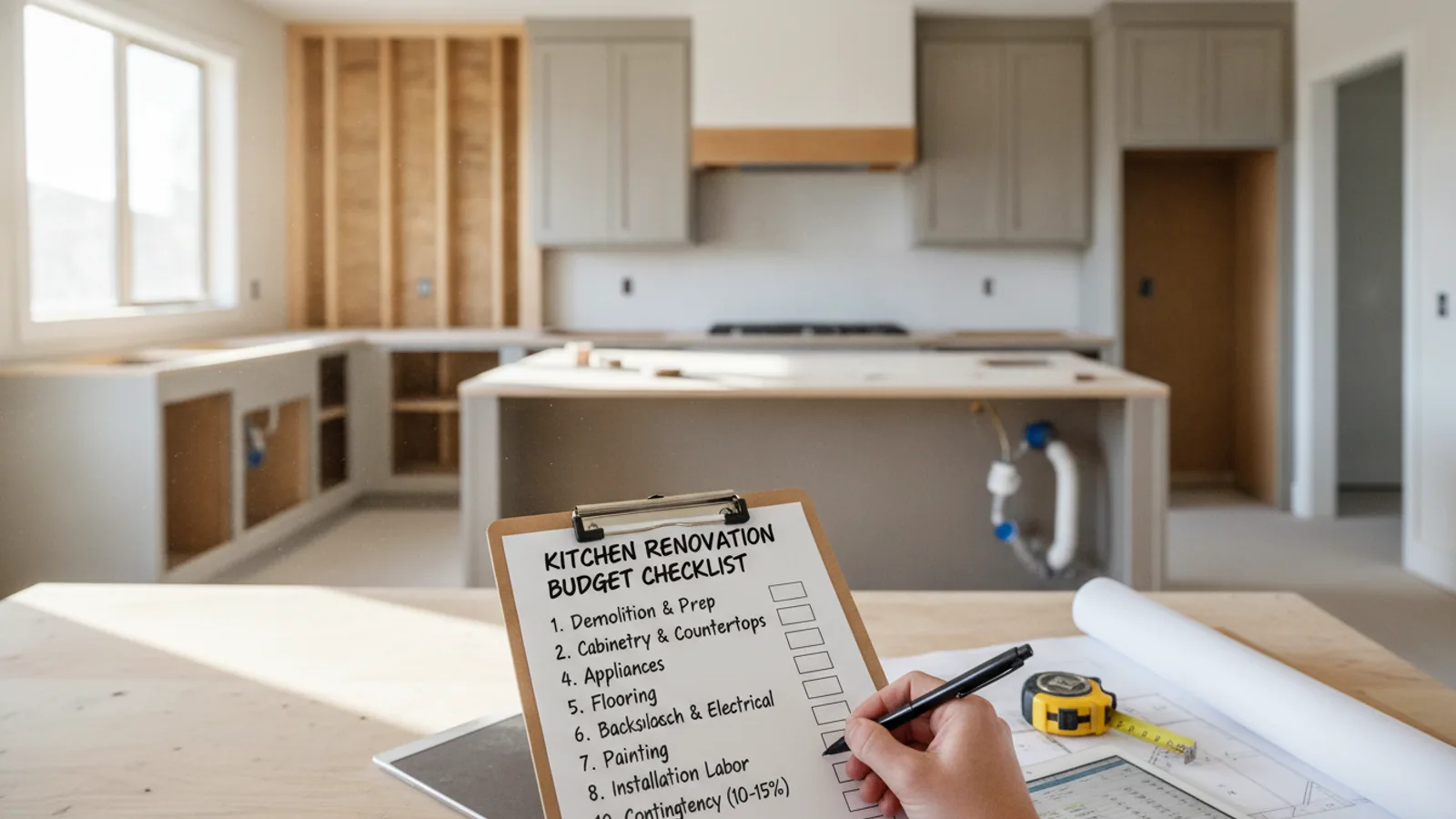
- ✓ Have you clearly defined your budget and allocated a contingency?
- ✓ Are your core priorities (e.g., energy efficiency, aesthetics, low maintenance) established?
- ✓ Have you consulted with a structural engineer and architect for professional advice?
- ✓ Are you aware of and compliant with all local planning and building regulations?
- ✓ Have you researched and decided on your foundation type based on site conditions?
- ✓ Is your structural frame (timber, steel, masonry) chosen based on design and performance needs?
- ✓ Have you evaluated exterior cladding options considering aesthetics, durability, and maintenance?
- ✓ Is your roofing material selected, factoring in weight, lifespan, and local styles?
- ✓ Are your windows and doors chosen for thermal performance, security, and appearance?
- ✓ Have you specified appropriate insulation for walls, roof, and floor to meet building regs and efficiency goals?
- ✓ Have you considered the mechanical and electrical systems for long-term efficiency and comfort?
- ✓ Are your interior finishes broadly aligned with your budget and design vision?
- ✓ Have you requested samples of key materials to review in situ?
- ✓ Have you discussed lead times and potential material shortages with your builder?
- ✓ Do you have a plan for ongoing maintenance for all selected materials?
FAQ
What should I check before I start?
Check the goal, the key prerequisite, and any current instructions that could change the safest next step for new build home materials guide.
How can I tell whether the result is working?
Use the practical checks in the guide, pause if a required step is unclear, and verify the finished result against the intended outcome.