How To Plan A Home Renovation
A practical step-by-step guide to how to plan a home renovation, including preparation, instructions, common issues, tips, and next steps.
How To Plan A Home Renovation
This guide explains how to approach how to plan a home renovation, including the preparation, practical steps, common mistakes, and final checks that help you finish with confidence.
Before You Start
Step-by-Step Instructions
Quick Reference
Common Problems When You Plan a Home Renovation
Advanced Tips for Planning a Home Renovation
Consider Energy Efficiency Improvements
While renovating, it’s an ideal time to incorporate energy-saving measures. Think beyond new windows. Could you add extra insulation in walls, floors, or the roof? Consider upgrading your heating system or installing solar panels. Although these might increase upfront costs, they can lead to significant savings on utility bills in the long run and improve your home's environmental performance.
Plan for Future Needs
Don't just plan for today; think about the next 5-10 years. Will your family grow? Do you plan to work from home more? Are you considering mobility needs as you age? Designing with future flexibility in mind can save you from another renovation down the line. For example, creating a ground-floor shower room or ensuring doorways are wide enough for wheelchair access.
Engage an Interior Designer (Even for Small Projects)
While an architect handles the structural design, an interior designer focuses on the aesthetics, functionality, and flow of your internal spaces. Even for smaller renovations, a designer can help you choose materials, colours, lighting, and furniture that create a cohesive and stylish look, potentially saving you from costly mistakes and adding significant value.
Research Smart Home Technology Integration
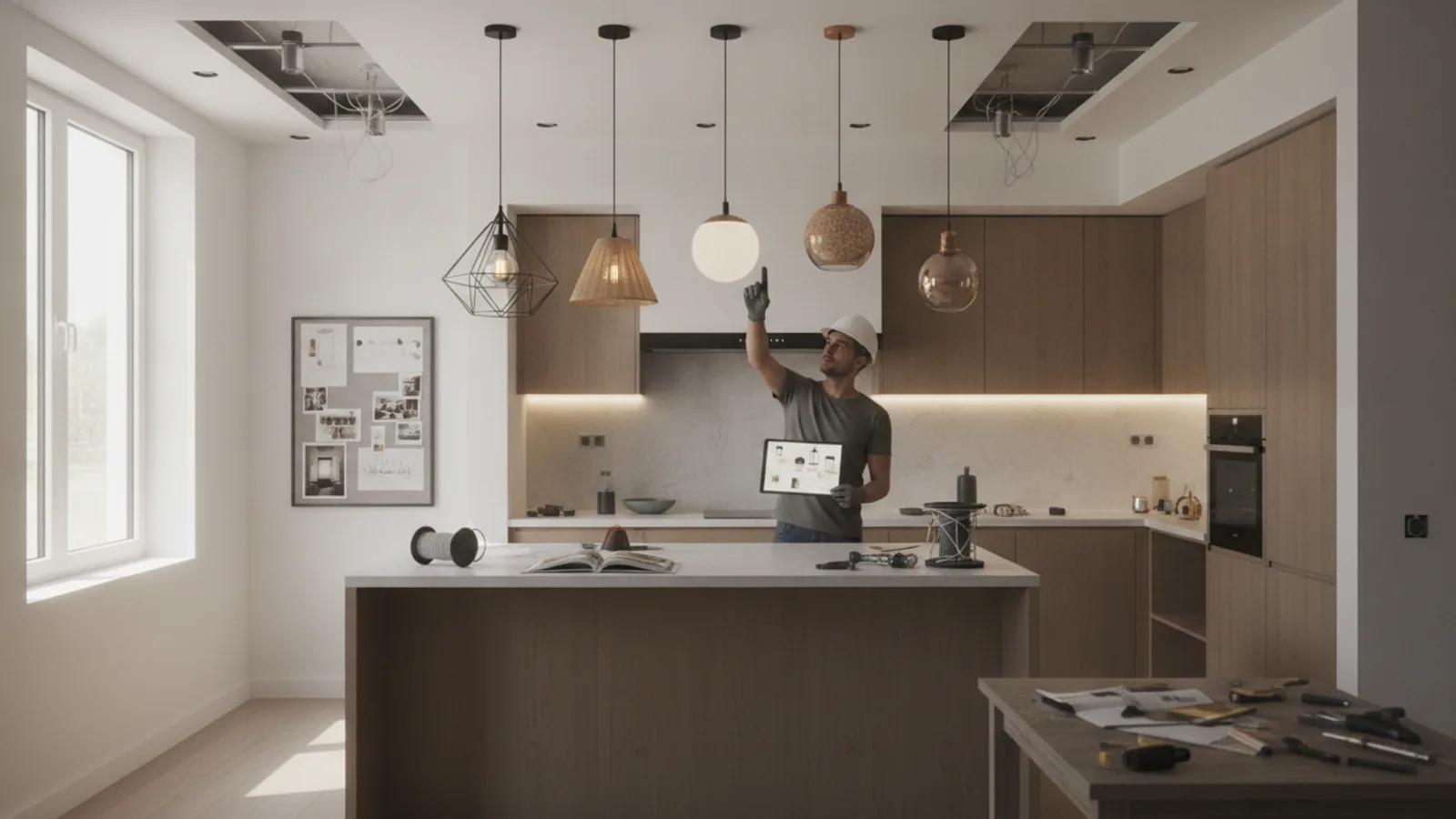
If you're opening up walls and running new wiring, it's the perfect opportunity to integrate smart home technology seamlessly. This could include smart lighting systems, integrated sound systems, smart heating controls, or advanced security systems. Planning for the cabling infrastructure now is much easier and neater than retrofitting later.
Understand Building Warranties and Insurance
For significant structural renovations or new builds, a building warranty (like a 10-year structural warranty) is crucial. Discuss this with your builder and understand what is covered. Also, inform your home insurance provider about your renovation plans. Major work can affect your policy, and you might need additional coverage to protect materials on site or your home during construction.
How To Plan A Home Renovation FAQ
How long does planning permission usually take in the UK?
Planning permission typically takes around 8-13 weeks for a straightforward application once all documents are submitted. However, complex projects or those requiring public consultation can take longer, sometimes 4-6 months or more. It's best to factor in ample time for this stage of your renovation.
Do I need an architect for a small renovation?
For very minor renovations, like redecorating or fitting a new kitchen/bathroom in the same layout, an architect might not be necessary. However, if you're altering the structure, changing the layout significantly, or adding an extension, an architect can provide invaluable design expertise, navigate planning, and create detailed plans for builders. Even for small projects, they can help you maximise space and light.
What's the difference between a builder and a project manager?
A builder (or main contractor) is responsible for carrying out the physical construction work, managing their team, and often coordinating sub-contractors (e.g., plumbers, electricians). A project manager, on the other hand, oversees the entire renovation process from your perspective, ensuring the project stays on schedule and budget, managing communication between all parties (architect, builder, you), and making sure the quality of work meets expectations. For smaller projects, your builder might also act as a project manager, but for larger, more complex renovations, hiring an independent project manager can be beneficial.
Can I live in my home during a renovation?
It depends on the scope of the renovation. For small projects (e.g., one room), living in your home is often feasible, though it can be dusty and noisy. For larger projects involving kitchens, bathrooms, or structural work, it can be extremely disruptive, uncomfortable, and potentially unsafe. Many homeowners choose to move out for the duration of major work. Discuss the practicalities with your contractor and weigh the pros and cons.
How can I save money on my home renovation?
Saving money often involves careful planning and making smart choices. Ways to save include: being flexible with materials (e.g., choosing good quality but less expensive alternatives), doing some of the non-skilled work yourself (like painting or demolition, but only if you have the skills and time), buying materials during sales, and sticking strictly to your initial plan to avoid costly changes.