How To Design A Calm Bedroom
A practical step-by-step guide to how to design a calm bedroom, including preparation, instructions, common issues, tips, and next steps.
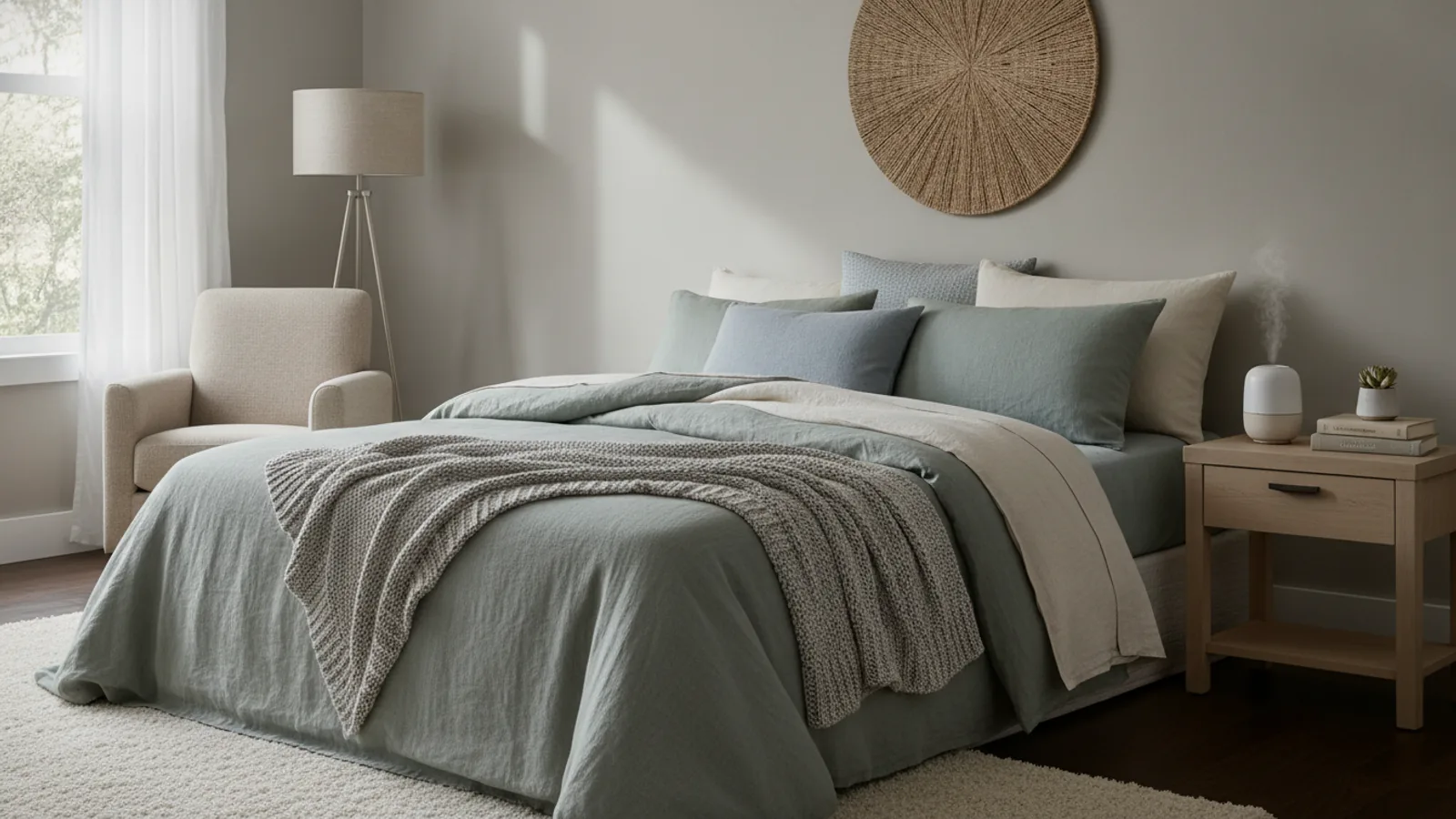
How To Design A Calm Bedroom
This guide explains how to approach how to design a calm bedroom, including the preparation, practical steps, common mistakes, and final checks that help you finish with confidence.
Before You Start
Step-by-Step Instructions
Quick Reference
Common Problems When You Design A Calm Bedroom
Even with the best intentions, you might run into a few common issues when trying to create a calm bedroom. Knowing these ahead of time can help you find quick solutions.
- Clutter keeps returning: This is a very common problem. The solution lies in building habits. Make sure every item has a designated home, and commit to a 5-minute tidy-up ritual before bed each night. If you still have too much stuff, it might be time for another decluttering session, being even stricter with what you keep.
- Colours feel dull or boring: While calming colours are often muted, they shouldn't feel lifeless. If your chosen palette feels too bland, try introducing subtle textures or patterns in your bedding or curtains. A single piece of artwork with calming tones can also add interest without disrupting the peace. Avoid going for bright accents, as this can undo the calming effect.
- Still too noisy to relax: If heavy curtains and earplugs aren't enough, consider a white noise machine or a fan that provides a consistent, soothing background hum. This can mask sudden outside noises more effectively. Check for gaps around windows and doors where sound might be seeping in and seal them with weather stripping.
- Can't give up tech in the bedroom: This is a tough one for many. If going completely tech-free isn't possible, try setting strict boundaries. Designate a charging station away from your bed, turn off notifications, and stop using screens at least 30-60 minutes before you plan to sleep. Using an actual alarm clock can help you ditch your phone's alarm.
- Bedroom feels too cold or too hot: The ideal sleep temperature varies for everyone. Invest in a good quality duvet suitable for the season (e.g., lower tog for summer, higher tog for winter). Layering your bedding with a sheet and a throw allows you to adjust your warmth easily throughout the night without getting out of bed.
Advanced Tips for How To Design A Calm Bedroom
Once you've mastered the basics, these advanced tips can take your calm bedroom design to the next level, adding a touch more serenity and functionality.
- Invest in quality blackout solutions: Beyond basic blackout curtains, consider installing custom-fit blackout blinds that sit flush against the window frame. For ultimate darkness, some systems use side channels to block almost 100% of light, which is excellent for shift workers or those highly sensitive to light.
- Implement smart lighting for a gentle transition: Smart bulbs and systems allow you to program lights to slowly dim over 30 minutes before your bedtime or gradually brighten in the morning. This gentle transition helps regulate your body's natural sleep-wake cycle more effectively than sudden light changes.
- Consider acoustic panels or sound-absorbing art: For truly persistent noise issues, discreet acoustic panels can be installed on walls or even disguised as artwork. These panels are designed to absorb sound waves, significantly reducing echo and external noise penetration, creating a much quieter environment.
- Explore bespoke storage solutions: If clutter is a constant battle, look into custom-built wardrobes or integrated shelving. These maximise space and ensure everything has an organised, out-of-sight home, preventing visual noise from accumulating.
- Adopt a curated minimalist approach: Rather than just decluttering, think about 'curating' your space. Only display items that truly bring you joy or serve a purpose. Each object should earn its place, contributing to the overall sense of peace and intention in the room.
- Focus on biophilic design principles: Beyond just a few plants, consider integrating natural patterns, textures, and even water features (a small, quiet tabletop fountain) to deepen the connection to nature, further enhancing a sense of calm and well-being.
How To Design A Calm Bedroom FAQ
Here are answers to some frequently asked questions about creating a peaceful sleeping space.
What are the best colours for a calm bedroom?
The best colours are typically soft, muted tones. Think gentle blues, greens, light greys, and warm off-whites. These colours are known for their calming effects and help promote relaxation, making it easier to unwind before sleep.
How often should I declutter my bedroom?
Ideally, you should aim for a quick tidy-up every day, putting things back in their place. A more thorough decluttering session, where you assess items and remove anything unnecessary, is beneficial once a month or every few months to prevent clutter from accumulating.
Can plants really help make a bedroom calmer?
Yes, plants can contribute to a calmer bedroom. They add natural beauty, can improve air quality by filtering toxins, and the act of caring for them can be meditative. Choose low-maintenance plants like snake plants or peace lilies for best results.
Is it okay to have a TV in a calm bedroom?
For most people, it's best to remove TVs and other screens from the bedroom. The blue light emitted can interfere with melatonin production, making it harder to fall asleep. If you must have one, avoid using it for at least an hour before bed and ensure it's not the last thing you see before sleeping.
What's the ideal temperature for sleeping?
Most sleep experts recommend keeping your bedroom temperature between 18-20°C (64-68°F). This range helps your body naturally cool down, which is a key part of initiating sleep. Experiment to find the specific temperature that feels most comfortable for you.
Final Checklist for How To Design A Calm Bedroom
Use this checklist to ensure you've covered all the key aspects of creating your peaceful bedroom sanctuary:
- All unnecessary clutter has been removed and organised.
- A soothing colour palette of muted tones is used in decor and furnishings.
- Lighting is soft, warm, and adjustable, with options for dimming.
- Blackout blinds or heavy curtains are in place to block external light.
- Steps have been taken to minimise noise (e.g., heavy curtains, rugs, white noise).
- The bedroom temperature is set to a comfortable sleep range (18-20°C).
- Fresh air is circulated daily, and air quality is considered.
- Soft, inviting textures are incorporated through bedding, rugs, and throws.
- Natural elements like plants or wooden accents are present.
- The bedside area is tidy and only holds sleep-supportive items.
- Gentle, calming scents are introduced (e.g., essential oil diffuser).
- A regular maintenance routine is planned to keep the space tidy.