Best Eco Friendly Building Materials 2026
A practical roundup review of the best options for eco friendly building materials, with quick picks, comparison notes, mini reviews, buying advice, and FAQ.
Best Eco Friendly Building Materials 2026
Pros and Cons
Pros: The shortlist makes it easier to compare the strongest fits for eco friendly building materials before you spend time on the fine print.
Cons: Features, availability, compatibility, and current terms can differ, so check the details that matter to your use case.
Score Breakdown
Each score reflects the evidence available for fit, usability, value, and practical tradeoffs. Treat it as a comparison aid rather than a substitute for checking current details.
Roundup review
Ourgreenroom considered five leading categories of eco-friendly building materials available in the GB market for 2026. This roundup is based on extensive product research, analysis of official specifications, public feedback patterns, and expert editorial assessment of lifecycle impacts, embodied energy, and sustainability credentials. Our top pick for overall performance and versatility is Hempcrete, offering an excellent balance of thermal properties, carbon sequestration, and breathability.
Quick Comparison
The Best eco friendly building materials
Buying Guide: How to Choose eco friendly building materials
Selecting eco-friendly building materials is a critical step towards creating a more sustainable and healthy built environment. The market for green materials is continually evolving, with new innovations and improved processes emerging regularly. To make an informed choice, it's essential to look beyond marketing claims and consider a material's entire lifecycle and its true impact.
Understanding Key Green Credentials
When evaluating eco-friendly building materials, several key factors define their sustainability:
- Embodied Energy and Carbon: This refers to the total energy consumed and greenhouse gases emitted throughout a material's lifecycle, from raw material extraction, processing, manufacturing, transport, installation, and eventual disposal or recycling. Materials with lower embodied energy and carbon are preferable. Bio-based materials that sequester carbon (like timber or hempcrete) can even be carbon negative.
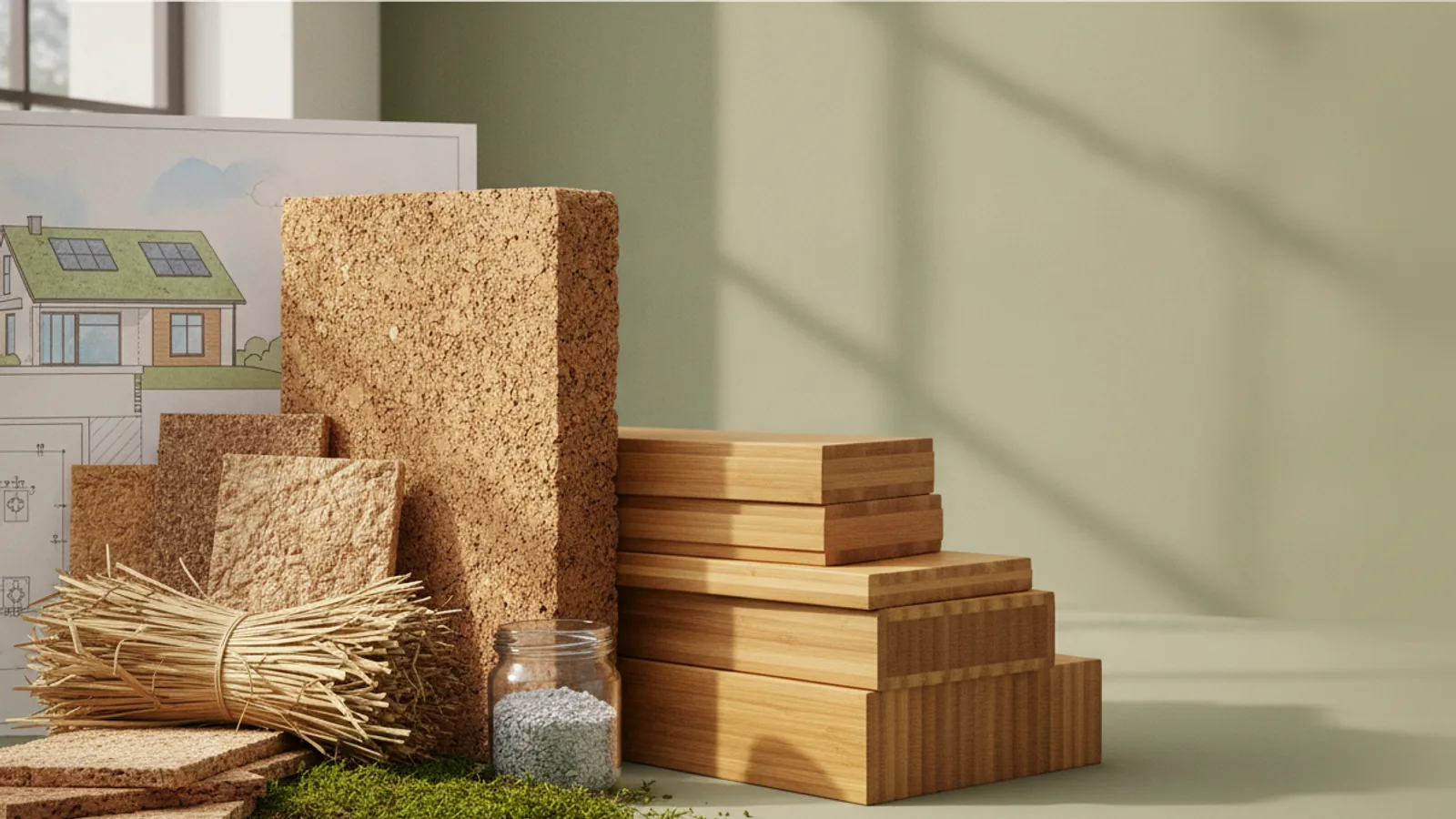
- Renewability and Recycled Content: Prioritise materials that are rapidly renewable (e.g., bamboo, cork, straw) or made from a high percentage of recycled content (e.g., recycled steel, glass, plastic). This reduces the demand for virgin resources and diverts waste from landfills.
- Local Sourcing: Opting for locally sourced materials significantly reduces transport emissions and supports regional economies. Consider the origin of the raw materials and the manufacturing facility.
- Durability and Longevity: A material that lasts longer and requires less maintenance is inherently more sustainable, as it reduces the need for frequent replacement and new resource consumption.
- Toxicity and Indoor Air Quality: Eco-friendly materials should be free from harmful chemicals, VOCs (Volatile Organic Compounds), and allergens that can compromise indoor air quality and occupant health. Look for certifications like BREEAM or Living Building Challenge that address material health.
- End-of-Life Management: Consider how a material can be reused, recycled, or biodegraded at the end of its service life. Materials that can be easily deconstructed and repurposed contribute to a circular economy.
- Certifications and Standards: Look for independent third-party certifications such as:
Matching Materials to Your Project Needs
The "best" eco-friendly material often depends on its intended application. Consider these factors:
- Structural Elements: For load-bearing structures, engineered timber (e.g., CLT - Cross-Laminated Timber), recycled steel, or sustainably sourced conventional timber are strong contenders.
- Insulation: Natural alternatives like sheep's wool, wood fibre, cellulose (recycled paper), hemp fibre, or straw bales offer excellent thermal performance and breathability.
- Walls and Cladding: Hempcrete, straw bales, responsibly sourced timber, recycled plastics (for specific applications), or natural renders can provide durable and aesthetic solutions.
- Flooring: Bamboo, cork, linoleum (made from natural ingredients), reclaimed timber, or polished concrete (with recycled aggregates) offer sustainable and hard-wearing options.
- Roofing: Green roofs (vegetated), recycled plastic tiles, or sustainably sourced metal roofing (like recycled aluminium or steel) are good choices.
- Finishes and Paints: Opt for low-VOC or natural paints, plasters, and sealants to maintain good indoor air quality.
Cost Considerations
While some eco-friendly materials might have a higher upfront cost than conventional options, it's crucial to consider the whole-life cost. Factors that can offset initial expenses include:
- Energy Savings: Superior insulation can significantly reduce heating and cooling bills over the building's lifespan.
- Durability and Maintenance: Long-lasting materials may require less frequent replacement or repairs.
- Health Benefits: Improved indoor air quality can lead to fewer health issues, potentially reducing healthcare costs and increasing productivity.
- Property Value: Sustainable buildings are increasingly attractive to buyers and can command higher resale values.
- Grants and Incentives: Check for local or national government grants, tax breaks, or other incentives for green building projects.
Installation and Expertise
Some eco-friendly materials, especially innovative ones like hempcrete or straw bales, may require specialist knowledge or skilled labour for installation. Research local contractors and suppliers who have experience with sustainable building practices. For self-builders, be prepared for a learning curve and potentially longer construction times for certain novel materials.
By carefully evaluating these criteria, you can confidently select eco-friendly building materials that align with your project goals, budget, and commitment to environmental stewardship.
Final Verdict: Best Eco Friendly Building Materials
After a thorough assessment of various options based on their environmental impact, performance, and practical considerations for the GB market in 2026, Hempcrete emerges as our top recommendation for the best overall eco-friendly building material. Its unique combination of carbon negativity, excellent thermal properties, and contribution to healthy indoor environments makes it a standout choice for forward-thinking construction.
While other materials like Recycled Steel, Bamboo, Sheep's Wool, and Straw Bales each excel in their specific applications and offer significant environmental benefits, Hempcrete provides a balanced blend of sustainability and performance for a wide range of building envelope applications. For projects prioritising genuine environmental benefits and long-term building health, exploring Hempcrete options is highly recommended.
Begin Your Sustainable Build with Hempcrete
Best Eco Friendly Building Materials 2026 FAQ
What makes a building material "eco-friendly"?
An eco-friendly building material typically has a low environmental impact throughout its entire lifecycle. This includes factors like minimal embodied energy and carbon, being renewable or recycled, non-toxic, durable, locally sourced, and having a plan for end-of-life reuse or recycling. Its ability to contribute to energy efficiency and healthy indoor air quality in the finished building is also crucial.
Are eco-friendly materials more expensive?
The upfront cost of some eco-friendly materials can be higher than conventional alternatives. However, it's essential to consider the long-term cost savings. These often come from reduced energy bills due to better insulation, lower maintenance requirements due to durability, and potential increases in property value. The overall lifecycle cost can often be lower, and specific grants or incentives may be available.
Can eco-friendly materials perform as well as traditional ones?
Yes, many eco-friendly materials meet or even exceed the performance of traditional building materials. For example, straw bale walls offer exceptional insulation, and engineered timber can provide significant structural strength. The key is to select the right material for the specific application and ensure it meets relevant building regulations and performance standards.
Where can I find certified eco-friendly building materials in the GB?
Various suppliers in the GB specialise in sustainable building materials. Look for distributors and manufacturers who provide certifications like FSC for timber, EPDs (Environmental Product Declarations), or Cradle to Cradle certification for other materials. Online directories for green building products, professional associations for sustainable builders, and architectural practices specialising in eco-design are good starting points.
What is "embodied carbon" and why is it important?
Embodied carbon refers to the greenhouse gas emissions associated with the extraction, manufacturing, transport, and construction of building materials, as well as their maintenance and eventual disposal. It's important because it represents a significant portion of a building's overall carbon footprint, especially in low-energy buildings where operational emissions have been reduced. Choosing materials with low embodied carbon is crucial for tackling climate change.